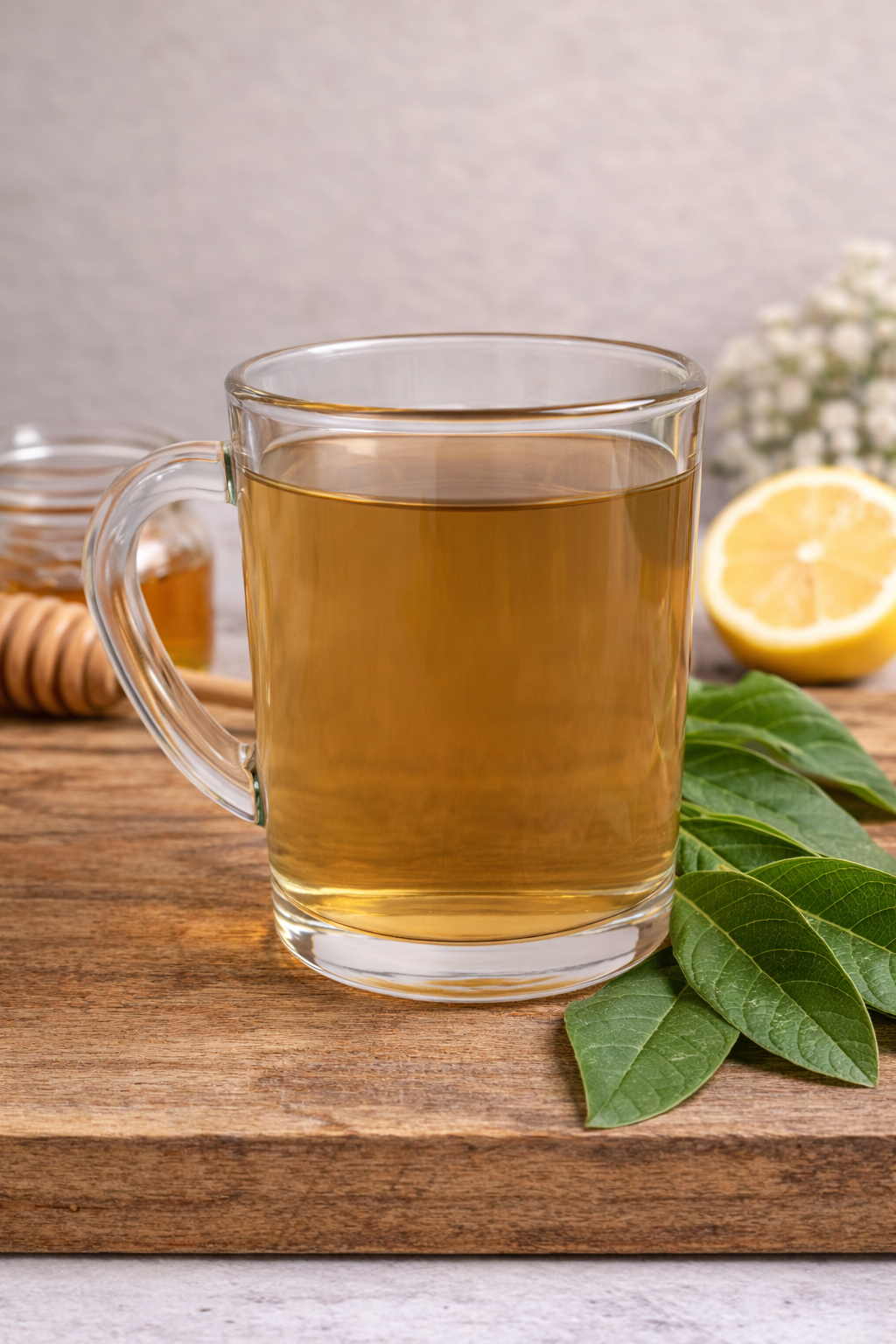
A Simple Homemade Herbal Tea Made With Guava Leaves
Some homemade drinks feel fancy, and some feel like they came straight from a garden and an old family notebook. This guava leaf tea recipe is definitely the second kind.
It is simple, natural, and made with just a few basic ingredients. No long shopping list, no complicated steps, and no kitchen chaos. Just fresh guava leaves, water, and a few quiet minutes on the stove. Honestly, recipes like this are my favorite because they do not try too hard, yet people still get very curious about them.
Guava leaf tea has been used in many homes for years as a traditional herbal drink. People love it because it is easy to prepare, budget-friendly, and feels wonderfully homemade. The taste is earthy, light, and a little herbal, and you can enjoy it warm or let it cool a bit before drinking.
Now let’s be real for a second: anything called “leaf tea” already sounds like it belongs to someone wise who never forgets where they put the good cups. It has that calm, old-school energy.
If you enjoy simple homemade recipes like this, leave a little hello or thank you in the comments so I know to keep sharing more.
why people like guava leaf tea
What makes this tea popular is how easy it is. You do not need ten ingredients or a complicated method that makes you question why you even started. You just wash the leaves, simmer them in water, strain, and pour.
That is it.
It is also one of those recipes that feels close to nature. Fresh leaves, hot water, simple preparation. There is something comforting about that. In a world full of overly processed everything, a plain cup of herbal tea feels almost dramatic in its simplicity.
And of course, many people enjoy making traditional recipes like this because they feel personal. They are the kind of things passed from one person to another with, “Here, try this.”
ingredients
- 8 to 10 fresh guava leaves
- 3 cups water
- 1 teaspoon honey, optional
- 1 teaspoon lemon juice, optional
how to make guava leaf tea
step 1: wash the leaves
Rinse the guava leaves very well under clean running water. Since they come from a plant and not a supermarket shelf with perfect manners, washing them properly really matters.
step 2: boil the water
Pour the water into a small pot and bring it to a gentle boil.
step 3: add the leaves
Once the water starts boiling, add the guava leaves.
Lower the heat and let them simmer for about 10 to 15 minutes. The water will take on a light golden to brownish color, and the kitchen will start smelling gently herbal.
step 4: strain the tea
Turn off the heat and let the tea sit for 2 or 3 minutes.
Strain it into a cup or teapot, removing all the leaves.
step 5: serve
Drink it warm as it is, or add a little honey or lemon if you want a softer taste.
That is all. A very simple homemade tea with a clean, natural feel.
helpful tips
Use fresh, clean guava leaves for the best result.
Do not boil the leaves for too long, or the tea may become too strong and slightly bitter.
If you want a lighter tea, use fewer leaves. If you want it stronger, use a couple more, but do not go overboard. We are making tea, not trying to scare ourselves.
Honey and lemon are optional, but they can make the flavor more pleasant if you are not used to herbal teas.
how to store it
This tea is best enjoyed fresh, but if needed, you can keep it in the refrigerator for up to 24 hours.
Reheat gently before drinking, or enjoy it cool.
final thoughts
This guava leaf tea recipe is simple, clean, and easy to make at home. It is the kind of traditional herbal drink people love because it uses basic ingredients and does not ask for much effort.
Just leaves, water, a little patience, and you have a warm homemade tea ready to enjoy.
recipe card
ingredients
- 8 to 10 fresh guava leaves
- 3 cups water
- 1 teaspoon honey, optional
- 1 teaspoon lemon juice, optional
instructions
- Wash the guava leaves very well.
- Bring 3 cups of water to a boil.
- Add the guava leaves.
- Simmer for 10 to 15 minutes.
- Remove from heat and let sit for 2 to 3 minutes.
- Strain into a cup.
- Add honey or lemon if desired, then serve warm.
note
This is a traditional herbal tea recipe, not a medical treatment. It should not replace medical advice or prescribed care.